
Looking to attract high value law firm clients? Positioning your law firm to attract clients who align with your core services is essential for increasing your client base and revenue. This guide offers proven strategies to identify, reach, and retain your most valuable clients.
Key Takeaways
- Defining an Ideal Client Profile (ICP) helps law firms tailor marketing strategies to attract high-value clients by focusing on specific industries and legal needs.
- Crafting a clear Unique Value Proposition (UVP) enhances a law firm’s competitive edge, ensuring consistent messaging across all channels and building trust with potential clients.
- Utilizing effective communication strategies and technology, such as client portals and automation tools, improves client satisfaction and retention by providing convenience and timely updates.
- Continuously improving your services and actively seeking client feedback helps you stay ahead of competitors and retain high-value clients.
Define Your Ideal Client Profile

Defining your ideal client profile (ICP) is the first crucial step in attracting high-value clients. An ICP is a detailed description of the clients who are most likely to benefit from your law firm’s services. It encompasses traits like demographics, behaviors, and specific legal requirements.
For example, a client segment could be families seeking estate planning or legal assistance, where understanding the unique needs and concerns of family clients is essential for effective service and marketing.
A well-defined ICP allows law firms to tailor their marketing efforts towards clients who align with their strengths, enhancing client acquisition and retention.
Identifying High-Value Clients
Identifying high-value clients involves understanding their specific legal pain points and the qualities they value in a lawyer. High-value clients often come from specific industries where your firm has established expertise, and they respond better to a unique value proposition (UVP) that directly addresses their needs and pain points.
Focusing on a specific niche can significantly enhance your ability to attract and retain these clients by showcasing specialized knowledge.
Creating Detailed Client Avatars
Creating detailed client avatars involves analyzing demographics, psychographics, and legal requirements to refine your outreach strategies. High-value clients typically share specific legal needs, financial capabilities, and preferences that align with your firm’s strengths.
Tailoring your website messaging and design to resonate with these target clients can significantly enhance lead generation and client attraction.
Craft a Compelling Unique Value Proposition (UVP)

Your Unique Value Proposition (UVP) sets your firm apart from competitors and answers the critical question: why should clients choose you? A clearly articulated UVP effectively communicates your firm’s advantages and ideal clients, helping to attract potential clients.
Client reviews can further enhance your credibility, making your company and businesses firm stand out in a competitive environment, especially for a person seeking reliable referrals services to encourage satisfied clients and build confidence. Actively soliciting and responding to client feedback can also improve service quality and enhance the firm’s reputation.
Articulating Your UVP Clearly
Prominently display your UVP on your homepage to attract potential clients. Highlight key elements like primary practice areas, client testimonials, and clear calls to action (CTAs).
Use straightforward language instead of legal jargon to ensure that potential clients understand your firm’s unique value proposition.
Differentiating Your Legal Services
Differentiate your legal services by integrating your UVP throughout all marketing channels, not just your website. Include your UVP in marketing materials like brochures and social media to ensure consistent messaging.
Consider working with a specialized design agency to provide a distinctive brand experience that attracts specific clientele to your law firm through effective law firm marketing.
Lawyers should ensure their digital marketing strategies comply with ethical rules and leverage their online presence to attract high-value clients.
Optimize Your Website for Client Attraction
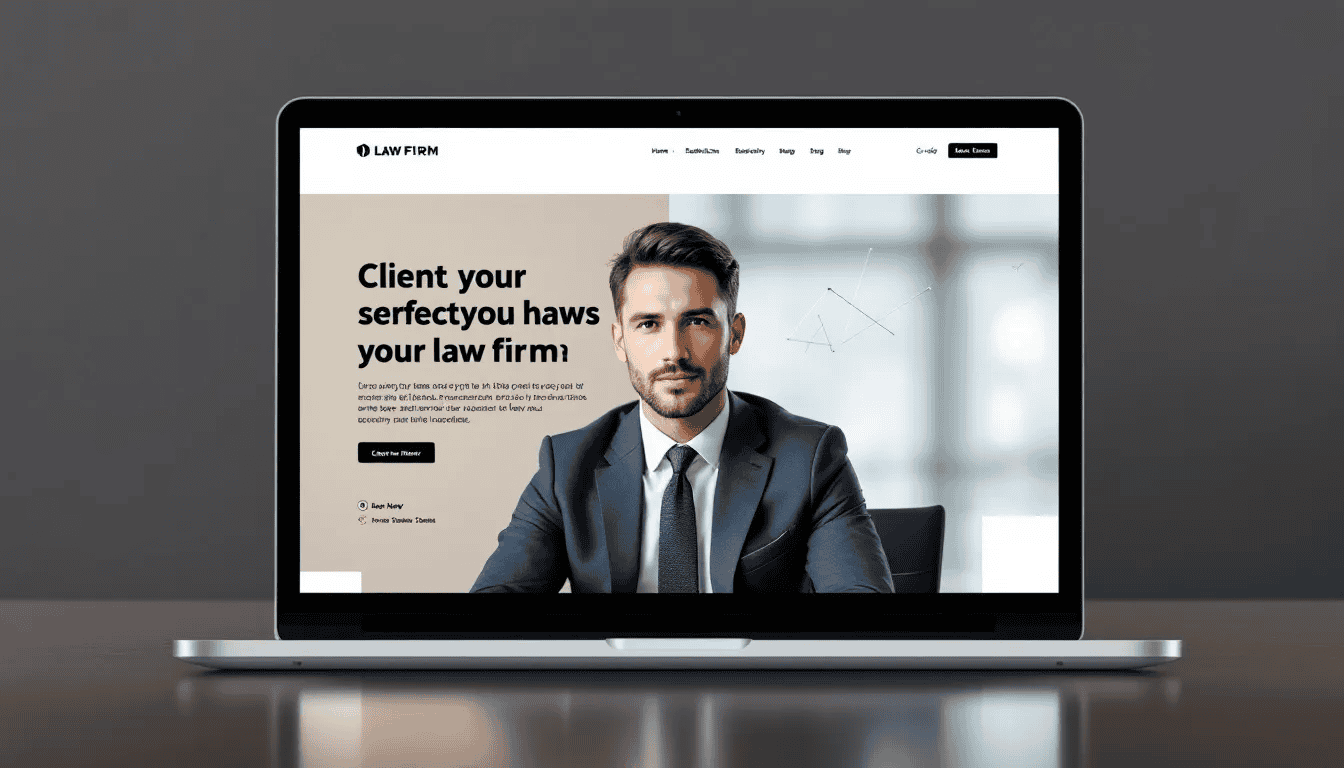
A well-structured website’s homepage serves as a primary digital interface with potential clients. It is crucial to optimize every point where a client interacts with your law firm online, as each interaction contributes to the overall client experience and trust. A solid strategy foundation for your website, with intuitive navigation and clear information hierarchy, ensures that a big part of the user experience features prominent calls to action.
This optimization will significantly enhance client acquisition and retention.
First Impressions Matter
A professional designed website can significantly enhance your firm’s perceived authority. Building trust and credibility from the first click is achieved by showcasing professionalism and compliance with ethical standards.
Avoid generic templates and create a distinctive brand experience to stand out in a crowded market.
User-Friendly Navigation
Effective navigation enhances the visitor experience by providing clear pathways to locate information, guiding users to actions like contacting your firm or scheduling a consultation. This user-friendly approach prevents frustration and ensures client satisfaction.
Mobile Optimization
Mobile optimization is essential as many users seek legal services through their smartphones. A mobile-friendly website effectively reaches more clients, increasing engagement and contributing to higher client satisfaction.
Leverage Content Marketing and SEO

Content marketing and SEO are essential for increasing your law firm’s visibility and establishing authority in your practice area. Creating valuable blog content, including in-depth articles and comprehensive guides, can significantly enhance your online presence and build trust with prospective clients through legal marketing.
Core Pages for Client Engagement
Every law firm website should include essential pages like:
- Homepage
- About Us
- Practice Area pages
- Blog/Resources
- Contact page
These core pages engage potential clients by providing critical information about your firm and its services, making it easier for clients to connect and relate to your expertise.
Local SEO Strategies
To attract local clients, optimize your Google My Business listings with accurate information and client reviews. Incorporate local keywords in your website content to enhance visibility for clients searching for legal services in their vicinity.
Local SEO attracts clients in your geographic area actively searching for legal services.
Build Trust Through Client Testimonials and Case Studies

Client testimonials and case studies build trust and credibility. Positive reviews serve as social proof, highlighting your firm’s effectiveness and enhancing reliability for potential clients.
Authentically collected client feedback significantly builds trust and credibility.
Ethical Collection of Testimonials
Ethical collection of client testimonials requires informed consent and explaining their use. Simplify the process for clients without scripting or influencing their content.
Ensure ethical guidelines guide every interaction to protect client confidentiality.
Showcasing Success Stories
Showcasing success stories through testimonials and case studies enhances your firm’s appeal to high-value clients. Highlighting specific outcomes and ethically collected testimonials builds trust and attracts more high-value clients.
Improving the Client Journey
What if everything you’ve been taught about client service is backwards? Here’s the truth—most lawyers think client journey optimization is just another checkbox on their marketing to-do list. But listen: this isn’t law firm fluff. This is the difference between building a practice that thrives and one that barely survives. Your client journey isn’t just touchpoints and processes—it’s the entire emotional and practical experience someone has when they trust you with their legal problem. From that first nervous consultation call to the moment you close their case (and beyond), every single interaction either builds unshakeable loyalty or quietly pushes them toward your competition.
Let’s get real about feedback. You’re sitting on a goldmine of insights, but most lawyers are too busy billing hours to actually ask their clients what’s working. Stop flying blind. Your satisfied clients aren’t just case closures—they’re walking testimonials waiting to happen. But here’s where most firms mess up: they treat client feedback like a nice-to-have instead of the business intelligence it actually is. These testimonials aren’t just pretty quotes for your website—they’re your roadmap to what’s actually working and what’s secretly driving clients away. When you showcase these real experiences, you’re not just marketing—you’re building social proof that cuts through the noise of every other lawyer promising “excellent service.”
Here’s what you’ve been taught: technology complicates things. Here’s the reality: the right technology transforms your client relationships from reactive to proactive. A secure client portal isn’t just a fancy add-on—it’s transparency in action. Think about it. When your clients can access their case updates, documents, and progress 24/7, you’re not just meeting expectations—you’re exceeding them. And here’s the hidden benefit: while your clients feel more informed and in control, your team stops playing phone tag and email volleyball. This isn’t about gadgets—it’s about creating systems that work for everyone.
You know what kills trust faster than a missed deadline? Radio silence. Consistent, clear communication isn’t just professional courtesy—it’s the foundation of every successful attorney-client relationship. But most lawyers communicate like it’s 1995. You don’t need to overwhelm your clients with updates, but you absolutely need to keep them informed. When you explain the legal process in plain English, respond promptly to questions, and proactively share progress updates, you’re not just being nice—you’re positioning yourself as the lawyer who actually cares about the human behind the case.
Your website isn’t a brochure—it’s your 24/7 sales team. Every page, every testimonial, every resource should guide potential clients through their decision-making journey. Stop thinking like a lawyer and start thinking like someone who’s never hired an attorney before. What do they need to know? What fears do they have? Your success stories aren’t just ego boosters—they’re proof that you can solve the exact problem your prospects are losing sleep over. When you combine client testimonials with educational content that actually helps people understand their options, you’re not just marketing—you’re building trust before the first consultation even happens.
Here’s the shift: stop thinking about client service as something you do and start seeing it as something you are. Whether you’re a solo practitioner or part of a larger firm, your client journey strategy isn’t separate from your success—it is your success. The lawyers who master this aren’t just building practices—they’re building reputations that generate referrals, retain clients, and dominate their market. You’re not just competing on legal expertise anymore—you’re competing on experience. And in a world where clients have more choices than ever, the lawyers who prioritize the human experience are the ones who win.
Engage in Thought Leadership
Thought leadership through content creation makes a difference in how your firm stands out from competitors. Continuously sharing legal education and updates on relevant laws ensures clients recognize your expertise in litigation, moving forward.
Participating in industry conferences and webinars showcases your expertise and provides networking opportunities with potential clients.
Publishing Articles and Blogs
A regularly updated blog keeps clients informed and engaged. Effective blogging involves creating valuable content addressing common legal questions and providing expert insights.
Regular publication of articles and blog posts enhances visibility and encourages client inquiries.
Speaking at Industry Events
Conferences and webinars are opportunities to showcase your expertise and connect with potential clients.
Leverage your speaking engagements to network effectively and create lasting relationships with prospective partner clients.
Implement Effective Communication Strategies
Clear and open communication effectively manages client expectations and also helps manage billing processes to ensure transparency and professionalism. Key factors include:
- Active listening and gathering feedback significantly increase satisfaction and retention rates.
- Poor communication is a common reason clients leave their law firm.
- Exceeding client expectations through consistent service is crucial.
Regular Client Updates
Regular updates keep clients informed during the legal process. Weekly communication ensures clients are up to date on their cases. Timely updates reinforce trust and prevent client anxiety, fostering transparency.
Personalized Client Interactions
Tailored communication enhances the client’s sense of being valued. Understanding personal preferences leads to improved satisfaction and retention.
Utilize Technology for Client Convenience
Technology enhances client retention by providing convenience and accessibility. Integrating technology into client services helps firms stand out with efficient, modern solutions for the future.
Automation tools can streamline communication, track client feedback, and offer online case portals, significantly improving client satisfaction.
Client Portals
Client portal offer a secure way for clients to access information and updates regarding their cases, allowing them to track progress and access documents anytime in their client journey.
Features like secure messaging and document sharing enhance collaboration and efficiency.
Automation Tools
Automation tools streamline appointment scheduling and follow-ups, significantly improving client satisfaction. Automation minimizes manual errors and saves time, allowing law firms to focus on human client care processes.
Efficient use of automation tools fosters strong relationships with clients by ensuring prompt follow-ups and excellent service delivery.
Summary
Summarizing the key points, it’s clear that attracting high-value clients requires a multifaceted approach. From defining your ideal client profile to optimizing your website and leveraging content marketing and SEO, each strategy plays a pivotal role. Building trust through client testimonials, engaging in thought leadership, and implementing effective communication strategies are essential for long-term success.
By utilizing technology for client convenience and continuously refining your strategies, you can ensure your firm stands out in a competitive market. Implement these strategies to transform your client acquisition process and attract the high-value clients that will drive your firm’s growth and reputation forward.
Frequently Asked Questions
What is an ideal client profile (ICP)?
An ideal client profile (ICP) is a comprehensive characterization of clients who are most likely to gain from your law firm’s services, encompassing demographics, behaviors, and specific legal needs. Understanding your ICP is crucial for targeting the right audience effectively.
How can I identify high-value clients for my law firm?
To identify high-value clients for your law firm, focus on industries where you possess established expertise and recognize their specific legal needs that align with your strengths. This targeted approach will help you attract and serve the most valuable clientele effectively.
Why is a Unique Value Proposition (UVP) important?
A Unique Value Proposition (UVP) is crucial as it differentiates your firm from competitors and clearly articulates the benefits that make you the preferred choice for clients. By effectively communicating these advantages, a UVP helps capture the attention of potential clients.
How can client testimonials and case studies help my law firm?
Client testimonials and case studies enhance your law firm’s credibility by demonstrating its effectiveness and providing social proof, ultimately fostering trust with potential clients.
What role does technology play in client retention?
Technology plays a crucial role in client retention by providing convenience and accessibility through automation tools and client portals, which streamline communication and enhance the overall client experience. This, in turn, fosters stronger client relationships and loyalty.